Walking Pad vs Treadmill: Which Suits Your Home and Your Pace?
At a glanceA walking pad slips under a desk or sofa; a treadmill gives you room to run and climb. Which one makes sense comes down to space, pace and how you plan to use it.
A walking pad is a compact, low belt designed for steady walking, often under a standing desk, and it stores away easily. A treadmill is a larger machine built for a wider range of speeds, usually with incline and handrails, and suits people who want to run, jog or walk uphill. If you mainly want to add easy steps while working or watching television, a walking pad usually fits. If you want varied workouts, a treadmill is the more versatile choice.
What each machine is
Walking pad
A walking pad is a slimmed-down treadmill: a short, flat deck with a motor tucked underneath, typically without a console or full handrails. Many models are controlled with a small remote or an app. Top speeds are aimed at walking, and some fold or slide flat under a bed or sofa.
Treadmill
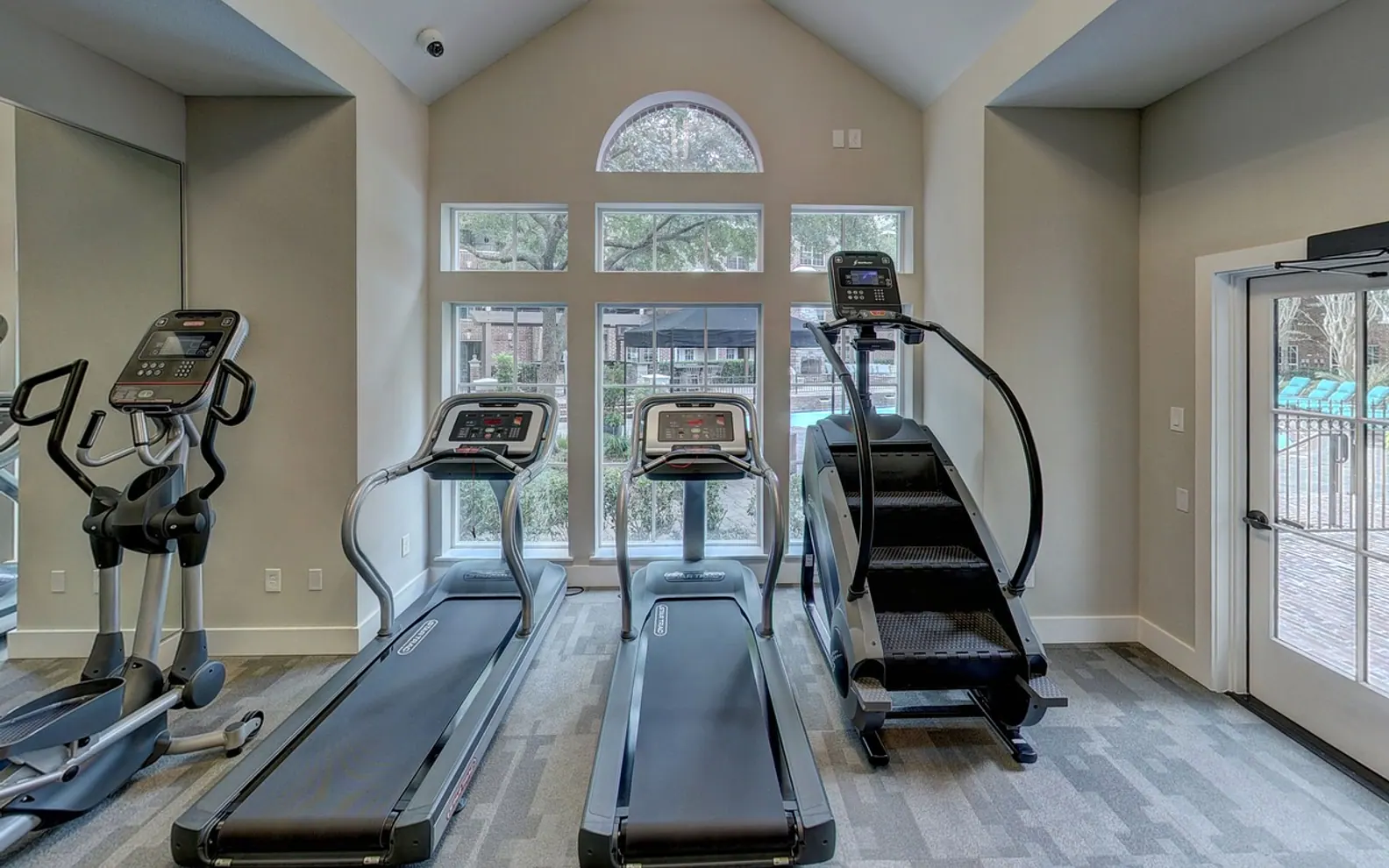
A treadmill has a longer, wider running deck, sturdier frame, more powerful motor, side rails, a console and, in most cases, an adjustable incline. It takes up more floor space, though some fold upright to save room.
Side by side
| Feature | Walking pad | Treadmill |
|---|---|---|
| Footprint | Small, low and often storable under furniture | Large; folding models still need floor space |
| Speed range | Walking speeds; some reach a light jog | Walking through to running |
| Incline | Usually flat or very limited | Commonly adjustable |
| Handrails | Often none, or a fold-up bar | Side rails and a front console |
| Under-desk use | Designed for it | Possible with a desk attachment, but bulky |
| Noise | Generally quieter at walking speeds | Louder, especially when running |
| Price tendency | Usually lower | Wider range, often higher |
Who a walking pad suits
- People who work at a standing desk and want to walk slowly while reading, listening or on calls.
- Homes with limited space, such as flats and shared houses.
- Anyone who wants to add gentle, regular movement rather than structured training.
- Walkers who prefer to keep their outdoor walks and simply top up steps on wet or dark days.
Who a treadmill suits
- Runners and joggers, or anyone working towards running.
- People who want incline walking to make sessions more demanding without going faster.
- Those who value handrails for balance and confidence.
- Households where several people will use the machine for different kinds of workouts.
Six things to settle before buying
- Where will it live? Measure the space, including room behind the belt, and check storage options.
- What will you actually do on it? Slow desk walking, brisk walks or running each point in different directions.
- Do you need incline? Walking uphill raises the effort considerably without speed.
- What is the user weight limit? Check it against your weight plus anything you carry, such as a weighted vest.
- How noisy can it be? Think about neighbours below and people working nearby.
- Is the deck long and wide enough for your natural stride?
Safety basics for both
- Use the safety key or clip, and start the belt at the slowest speed before stepping on.
- Wear supportive shoes rather than socks or slippers.
- Keep children and pets well away, and unplug the machine when not in use.
- Place a mat underneath to protect floors and reduce vibration.
- When walking at a desk, keep the pace slow enough to type and think comfortably, and look ahead rather than down.
Making either one part of your day
The best machine is the one you use. Short, regular sessions tend to add up more than an occasional long one, and both options can help you reach a sensible daily total; our guide to how many steps a day you really need suggests realistic targets. If you want to make walks harder without running, read about walking with a weighted vest. And if strength work interests you too, our look at affordable cable machines covers another popular piece of home equipment.
If you have a heart condition, balance problems or joint pain, or have been inactive for a long time, check with a doctor before starting a new exercise routine on any machine.
Short answers
Can you run on a walking pad?
Most walking pads are designed for walking, and some allow a light jog. Running needs a longer deck and stronger motor, which is where a treadmill is the safer choice.
Do walking pads and treadmills need maintenance?
Both benefit from a little care. Keep the belt centred, check its tension as the manual describes, lubricate the deck only if the manufacturer recommends it, and vacuum around and under the machine so dust does not build up near the motor.
Is walking on a pad as good as walking outside?
It is a convenient way to move more, especially in bad weather. Outdoor walks add daylight, fresh air and varied ground, so many people enjoy a mix of both.