Kiwi Benefits: Green and Golden Kiwifruit on an Ordinary Plate
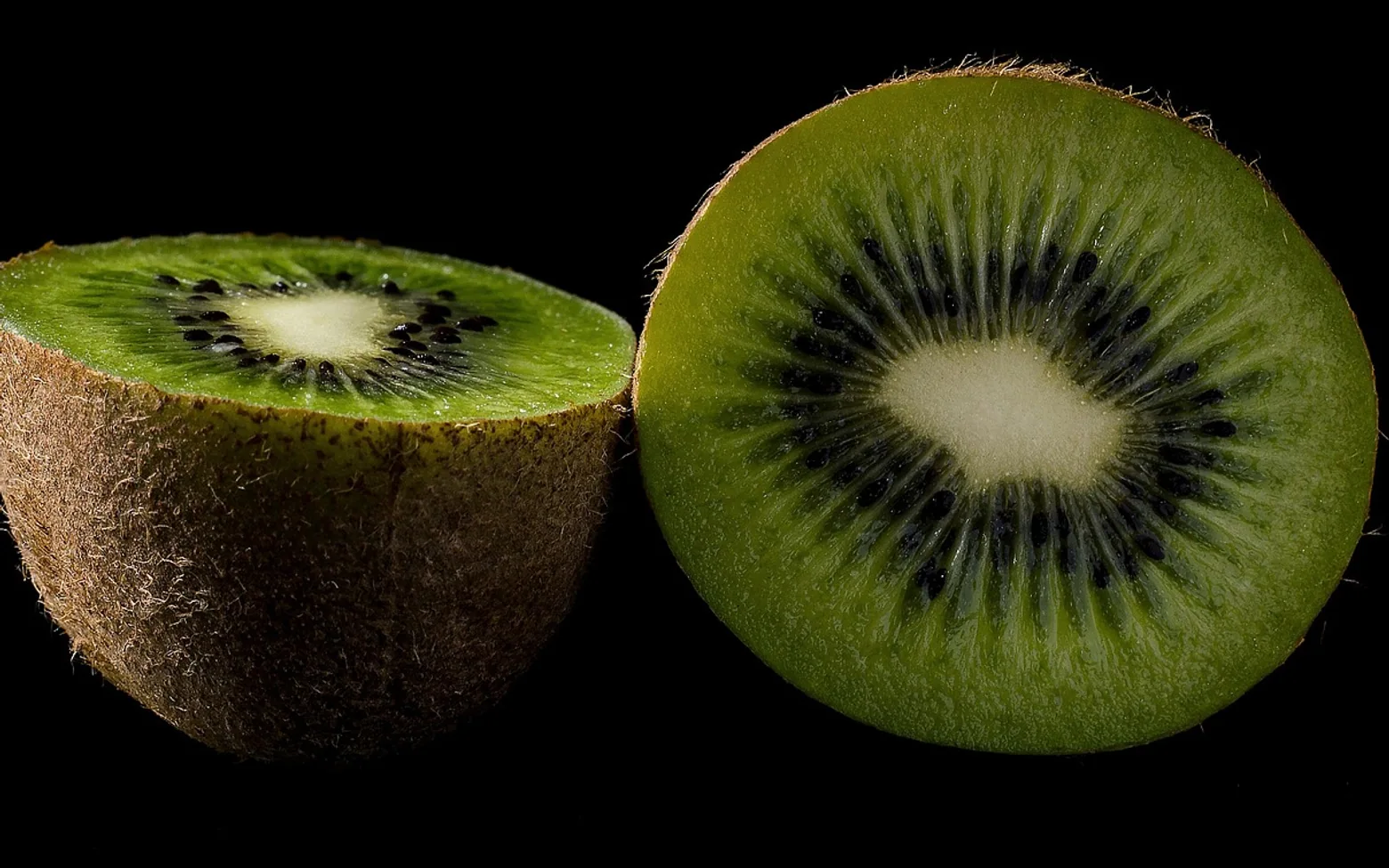
At a glanceSmall, fuzzy and easy to overlook, kiwifruit packs a lot of colour and flavour into a few bites. Green and golden types each have their own character.
Kiwifruit is a good source of vitamin C and fibre, along with vitamin K, potassium and folate, all in a fruit that is easy to eat with a spoon. Those nutrients make it a useful everyday choice, though no single fruit works miracles. Green kiwis are tangier, golden ones sweeter and smoother-skinned, and both fit neatly into breakfasts, lunchboxes and evening snacks.
What kiwi brings to the table
- Vitamin C: kiwifruit is well known for being rich in it, which supports normal immune function and helps the body absorb iron from plant foods.
- Fibre: both the flesh and the tiny seeds contribute, and eating the skin adds more.
- Vitamin K and folate: nutrients involved in blood clotting and cell growth.
- Potassium: part of a balanced intake alongside other fruit and vegetables.
- Colour and water: a juicy, bright addition that makes a plate more appealing.
Green or golden kiwi?
| Green kiwi | Golden kiwi | |
|---|---|---|
| Skin | Brown and fuzzy | Smoother, with little or no fuzz |
| Flesh | Bright green with a pale core | Yellow and soft |
| Flavour | Tangy, sometimes sharp | Sweeter, often described as tropical |
| Enzyme content | Rich in actinidin, a protein-softening enzyme | Generally less |
| Good for | Salads, salsas, a sharper breakfast fruit | Eating whole, skin included |
Both are nutritious, so the best one is whichever you will actually eat. Golden kiwi benefits mostly mirror those of green: plenty of vitamin C and fibre, with a gentler taste that some children prefer.
About that enzyme
Green kiwi contains actinidin, an enzyme that breaks down protein. In the kitchen that has practical effects: it tenderises meat in marinades, stops gelatine from setting and can make yogurt or cream taste bitter if they are mixed and left to stand. Add kiwi to dairy just before serving, or briefly cook the fruit first if a recipe needs it to set.
Kiwi and digestion
Kiwifruit is often suggested for people who want to keep things regular, thanks to its fibre and water. Many find a kiwi or two a day a gentle addition to a fibre-rich diet. If you have ongoing bowel changes, discomfort or a digestive condition, talk to a doctor rather than relying on any single food.
Kiwi as an evening snack
Kiwi often turns up in lists of bedtime snacks. Research on fruit and sleep is limited, so it is best seen as a light, refreshing option that will not sit heavily before bed. Our guide to foods that help you sleep looks at evening eating more broadly, and if you are curious about other fruit with a sleep reputation, see our honest look at tart cherry juice for sleep.
Can you eat the skin?
Yes. Kiwi skin is edible and adds extra fibre. Golden kiwis are the easiest to eat whole because their skin is thin and smooth; with green kiwis the fuzz puts some people off. Wash the fruit well and slice it into rounds if biting into a whole one feels odd.
Ripening, storing and preparing
- Test for ripeness by pressing gently: a ripe kiwi gives slightly, like a ripe peach.
- Ripen firm fruit at room temperature, or speed it up by placing it in a paper bag with an apple or banana.
- Move ripe kiwis to the fridge to keep them for longer.
- Cut and scoop: halve the fruit and use a teaspoon, which is the simplest way for children.
- Peel with a spoon by sliding it between skin and flesh if you want neat slices.
Easy ways to eat more kiwi
- Sliced over porridge or overnight oats.
- Diced into a salsa with cucumber, lime and herbs.
- Blended into a smoothie with spinach and banana.
- Paired with citrus segments in a winter fruit salad; our citrus fruits list has ideas for combinations.
Kiwi allergy: signs to know
Some people are allergic to kiwi. Symptoms can range from an itchy mouth or lips to more serious reactions. People with a latex allergy are sometimes sensitive to kiwi as well. If kiwi makes your mouth tingle or itch, avoid it and mention it to a doctor. Any swelling of the face or throat, or difficulty breathing, needs emergency help straight away.
Short answers
How many kiwis can I eat a day?
For most people, one or two kiwis a day fit comfortably into a varied diet. Spread your fruit across different kinds for the widest range of nutrients.
Is kiwi good for women in particular?
Kiwi offers the same nutrients to everyone. Folate is often discussed for people planning a pregnancy, but supplements and diet in pregnancy are best discussed with a doctor or midwife.