Food4 min
Citrus Fruits List: Types of Citrus and How to Tell Them Apart

At a glanceOranges, lemons and limes are only the start. The citrus family is a tangle of ancient species and hybrids, and a little sorting makes the fruit bowl more interesting.
Citrus fruits are the juicy, segmented fruits of the citrus group within the rue family, Rutaceae. The everyday list includes sweet oranges, mandarins and their relatives, lemons, limes, grapefruit and pomelos, with kumquats, yuzu, citron and bergamot as less common members. Most of the fruit in a supermarket descends from a handful of ancestral species, mainly citron, pomelo and mandarin, crossed and recrossed over a very long time.
The main groups at a glance
| Group | Familiar examples | Taste | Typical use |
|---|---|---|---|
| Sweet oranges | Navel, Valencia, blood orange | Sweet, juicy, mildly tangy | Eating fresh, juicing |
| Mandarins | Clementine, satsuma, tangerine | Sweet, easy to peel | Snacks, lunchboxes |
| Lemons | Eureka, Lisbon, Meyer | Sour, aromatic | Cooking, baking, drinks |
| Limes | Persian (Tahiti), key lime, makrut | Sharp, fragrant | Dressings, curries, drinks |
| Grapefruit | White, pink, ruby red | Bittersweet | Breakfast halves, salads |
| Pomelo | Large pale or pink-fleshed fruit | Mild, sweet, less juicy | Eating fresh, salads |
| Small and specialty | Kumquat, yuzu, citron, bergamot, finger lime | Varied, often intense | Zest, preserves, flavouring |
A closer look at each type
Sweet oranges
The common orange is thought to be an ancient cross between pomelo and mandarin. Navel oranges are seedless and easy to segment, Valencias are prized for juice, and blood oranges owe their red flesh to natural pigments that develop best when nights turn cool. Bitter or Seville oranges are a separate type, too sour for snacking but traditional in marmalade.
Mandarins and their relatives
Mandarins are one of the original citrus species. Clementines, satsumas and tangerines all belong to this loose group, with loose skins that come away easily. Tangelos are crosses between mandarin types and grapefruit or pomelo.
Lemons
Lemons are hybrids with citron in their background, which explains the thick, fragrant peel. Eureka and Lisbon are the classic sour types sold year-round, while the Meyer lemon, thought to carry mandarin or orange ancestry, is rounder and gentler. Our article on lemon tree varieties covers the differences in more depth.
Limes
Most limes in the shops are Persian or Tahiti limes: large, seedless and green. Key limes are smaller, rounder and more aromatic. Makrut lime is grown mostly for its fragrant double leaves, used in South-East Asian cooking. Finger limes from Australia hold tiny, bead-like vesicles that burst on the tongue.
Grapefruit and pomelo
The pomelo is the largest citrus and one of the founding species. Grapefruit arose as a cross between pomelo and sweet orange. Grapefruit and its juice can interact with a number of medicines, so check the leaflet or ask a pharmacist if you take regular medication.
Kumquats, yuzu, citron and bergamot
- Kumquat: small, oval and eaten whole, with a sweet peel and sour flesh.
- Yuzu: knobbly and highly fragrant, used in Japanese cooking mainly for its zest and juice.
- Citron: mostly thick peel with little flesh, often candied; another of the ancestral species.
- Bergamot: a sour, aromatic fruit best known for the oil in its peel, which flavours Earl Grey tea.
Fruits that are not citrus
Plenty of tangy or tropical fruits get mistaken for citrus. A few common mix-ups:
- Is pineapple citrus? No. Pineapple is a bromeliad, from a completely different plant family, even though it is acidic.
- Is mango a citrus fruit? No. Mango belongs to the same family as cashews and pistachios.
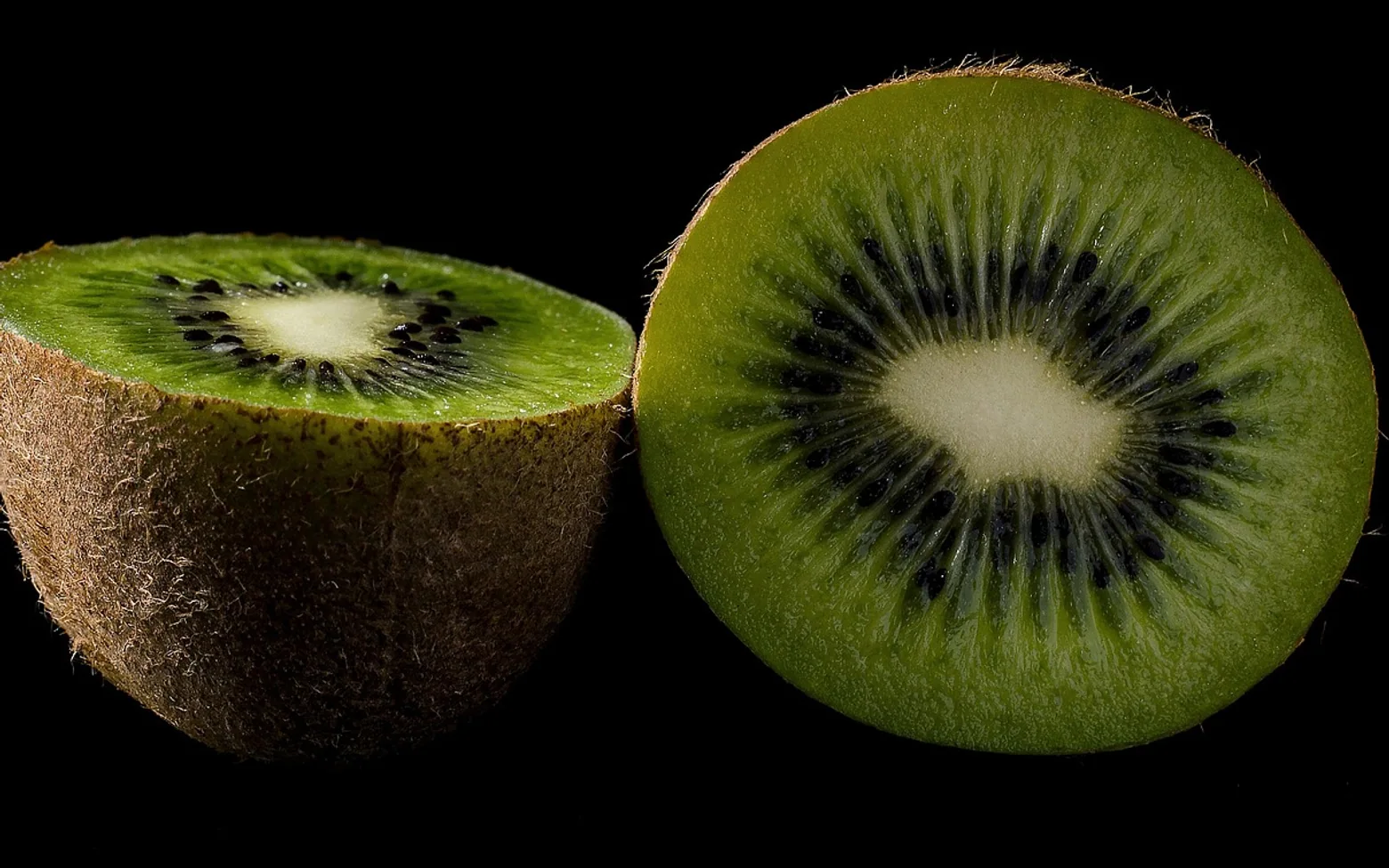
- Is kiwi citrus? No. Kiwifruit grows on a woody vine in its own family. Our piece on kiwi benefits explains more about it.
- Are tomatoes citrus? No. Tomatoes are in the nightshade family, alongside potatoes and peppers.
Is a lemon a fruit or a vegetable?
Botanically, a lemon is a fruit. Citrus fruits are a special kind of berry, sometimes called a hesperidium, with a leathery rind, a white pith and juicy segments packed with tiny sacs. In the kitchen it behaves like a seasoning as often as a fruit, but the botanical answer is clear.
Choosing and storing citrus
- Pick fruit that feels heavy for its size; it usually holds more juice.
- Look for firm, glossy skin without soft patches or mould.
- Store in the fridge if you will not use it within a few days; citrus keeps well when cool.
- Bring to room temperature before juicing and roll the fruit on the counter to loosen the juice.
- Wash before zesting, since the peel goes straight into your food.
Bringing more citrus into your week
Segments in a salad, zest over vegetables, a mandarin as a mid-afternoon snack or a slice in a glass of water are all easy ways to enjoy citrus. Our guide to the benefits of lemon water looks at the simplest of these habits, and if you would like to grow your own, read how to care for a lemon tree.