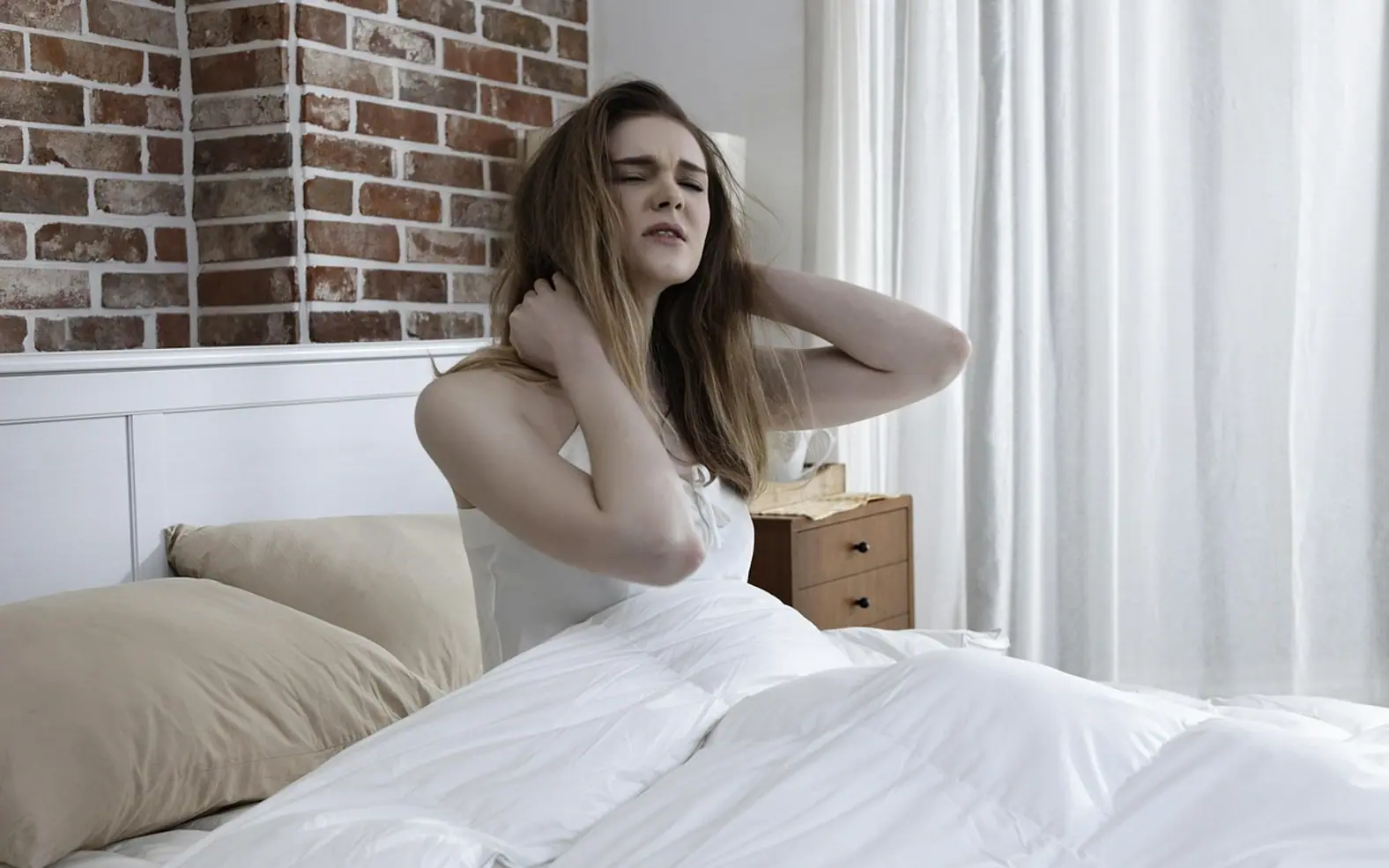
Sleep & RecoveryLifestyle4 min
Benefits of Sleeping on the Floor (and Who Should Skip It)
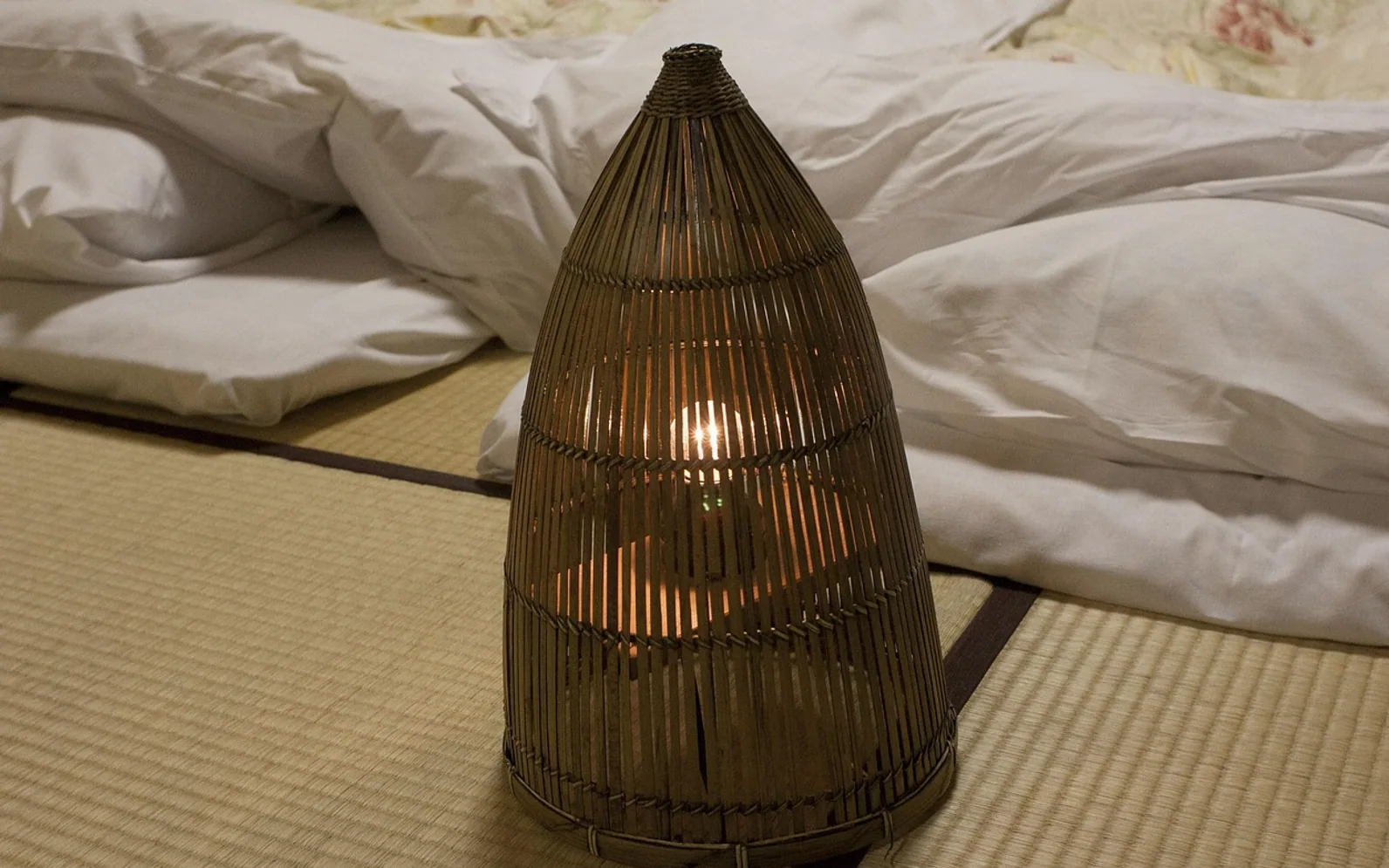
At a glanceFutons and roll-up mats have a long history and a loyal modern following. Floor sleeping suits some bodies and homes well, and others not at all.
Sleeping on the floor can feel firm, cool and pleasantly simple, and some people find it comfortable for their back. It is not automatically healthier than a bed, though. The benefits are mostly about personal comfort and lifestyle, the evidence for health effects is thin, and for people with joint pain, mobility problems or a tendency to feel the cold, a raised bed is usually the kinder choice.
A long tradition, not a new trend
In many parts of the world, sleeping close to the ground has been ordinary for generations. Traditional Japanese homes, for example, use a padded futon laid on tatami mats and folded away in the morning so the room can serve other purposes by day. Elsewhere, rolled mats and thin mattresses have long done the same job. The modern interest often comes from people looking for a firmer surface, a minimalist room or a cheaper alternative to a large bed frame.
Possible benefits people report
- Firm, even support: some back sleepers like the flat surface and feel less sinking than on a soft, ageing mattress.
- A cooler night: warm air rises, so the floor can feel noticeably cooler in summer.
- Space and flexibility: a mat that rolls away frees a small bedroom or studio for daytime use.
- Lower cost: a good futon or mat usually costs less than a frame plus a thick mattress.
- Simplicity: fewer furnishings, less to clean around, and a room that feels calmer.
These are individual impressions. Comfort is personal, and a firm surface that suits one person can leave another stiff and sore.
The drawbacks to weigh up
| Drawback | Why it matters | What can help |
|---|---|---|
| Pressure on hips and shoulders | Side sleepers bear weight on bony points | A thicker futon or a topper |
| Cold and draughts | Floors lose heat, especially in winter | A rug or insulating layer beneath the mat |
| Dust and allergens | Dust settles at floor level | Vacuum often; raise the mat during the day |
| Moisture and mould | Body moisture can gather under a mat that never moves | Air the mat regularly, fold or roll it away |
| Getting up and down | Harder with stiff knees, hips or balance problems | Keep a raised bed if this is a struggle |
Who should skip it, or ask first
- Older adults, or anyone at risk of falls, for whom rising from floor level is difficult or unsafe.
- People with arthritis, hip or knee problems, or limited mobility.
- Those who are pregnant, when getting up and down and lying comfortably are already challenging.
- Anyone with back pain that has lasted a while, or that worsens after a night on a hard surface.
- People who feel the cold easily, or who live in damp homes.
If you have an ongoing health condition, check with a doctor or physiotherapist before making a big change to how you sleep.
How to try it gently
- Start with a few nights, not a full commitment. Keep the bed available in case you need it.
- Choose a proper surface. A futon, a folding mattress or a thick mat is far more comfortable than a bare rug or a yoga mat.
- Use a pillow that suits your position. Back sleepers may want something thinner than usual; side sleepers need enough height to keep the neck in line.
- Put something between you and the floor. A rug, slatted base or tatami-style mat helps with cold and airflow.
- Air the bedding every day. Roll it up or prop it against a wall so the underside can dry out.
- Stretch in the morning. A few minutes of easy movement helps you notice how your body is responding. Our guide to the benefits of stretching has simple ideas.
Pay attention to how you feel after the first week. Waking with new aches, numb arms or worse sleep is a clear sign to return to a bed or try a thicker setup.
Questions people ask
Is sleeping on the floor good for your back?
Some people with mild stiffness find a firmer surface comfortable, while others feel worse. There is no firm evidence that the floor is better for backs in general. If your back hurts, see a professional rather than relying on a change of surface.
Can floor sleeping improve posture?
Posture is shaped far more by how you sit, stand and move during the day than by the surface you sleep on. A firm sleeping surface will not correct posture on its own.
Does it help you sleep longer?
Only if you find it genuinely comfortable. Sleep length depends much more on routine and timing; our look at whether 6 hours of sleep is enough covers that side of things. For more ways to match bedding and routines to the way you live, see customizing sleep patterns and tools.