Sleep & Recovery5 min
Menopause and Sleep: Why Nights Change and What Can Help

At a glanceWaking at three with the duvet thrown off is a familiar scene in the menopause years. The causes are layered, and so are the things that tend to help.
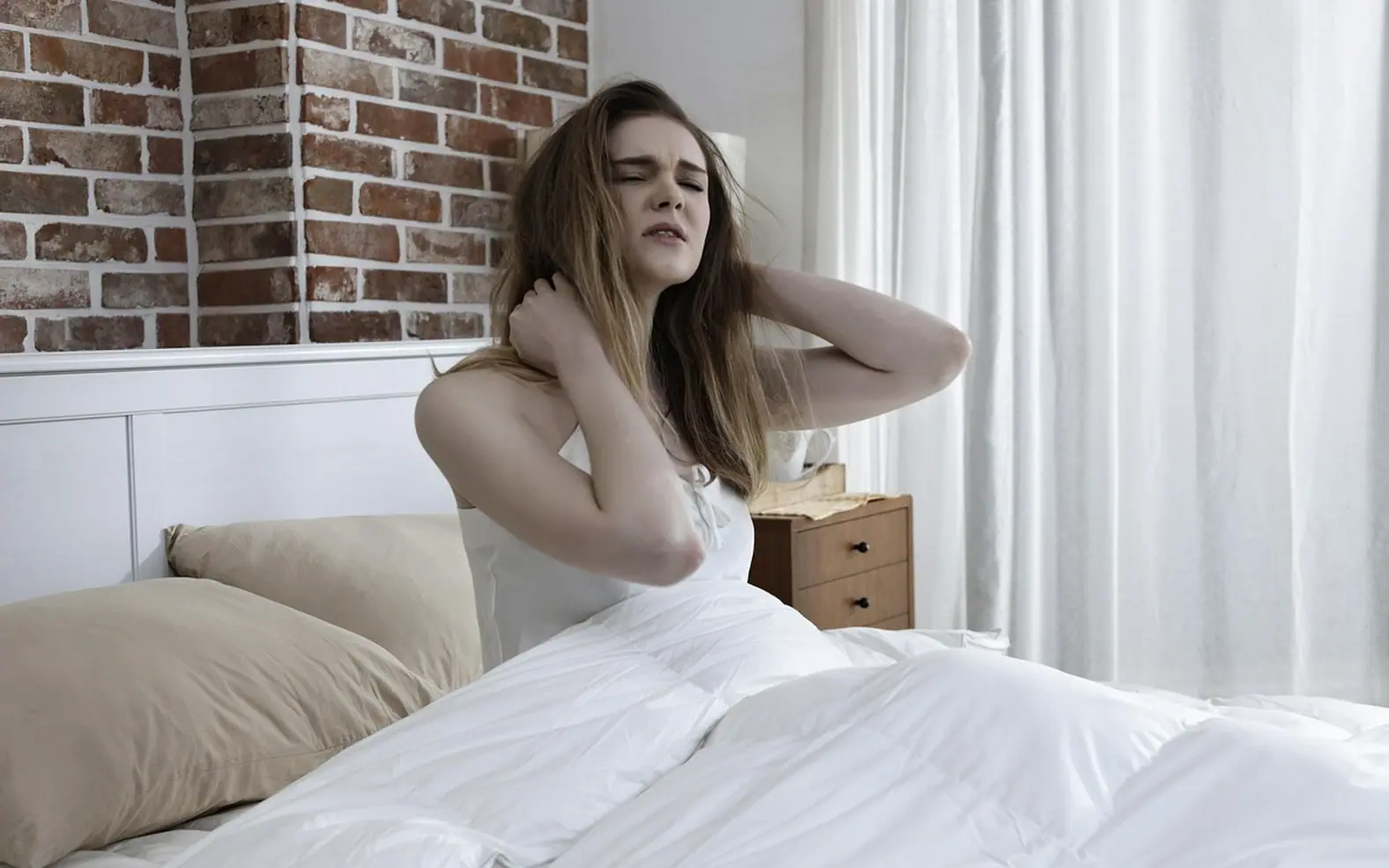
It is ten past three. The duvet is on the floor, the pillow feels damp, and the mind has already started on tomorrow's list. Half an hour later the room has cooled, the covers come back, and sleep seems possible again, until the alarm goes off far too soon. For many women in their forties and fifties, nights like this become a regular part of the week rather than an odd exception.
Sleep often changes during perimenopause, the years when hormone levels start to shift, and it can stay unsettled for a while after periods have stopped. The good news is that several causes are known, and most of them can be eased, even if not every night becomes perfect.
Why sleep changes around menopause
There is rarely a single reason. Usually a few things overlap, and the mix differs from one person to the next.
- Night sweats and hot flushes. A sudden wave of heat can wake you directly, or leave you too warm and damp to drift off again.
- Shifting hormones. Oestrogen and progesterone both rise and fall less predictably in perimenopause, and both are involved in how the body handles temperature, mood and rest.
- Waking to use the toilet. Changes in the bladder and pelvic floor can mean more trips during the night.
- Low mood and anxiety. Worry tends to be loudest in the small hours, and a run of poor nights can feed it.
- Snoring and breathing changes. Breathing problems during sleep become more common with age and weight changes, and they are easy to miss if you sleep alone.
- Everything else in midlife. Work pressure, teenagers, ageing parents and aches all compete for the same quiet hours.
Because the causes overlap, it helps to notice which ones show up for you. A short sleep and symptom diary kept for two or three weeks, noting bedtimes, wake-ups, flushes, caffeine, alcohol and mood, often reveals a pattern that is hard to see night by night. It also makes a later conversation with a doctor much easier.
Setting up a cooler bedroom
Heat is the most common thing that pulls people out of sleep at this stage, so the bedroom is a sensible place to start.
| Change | Why it can help |
|---|---|
| Layers instead of one heavy duvet | A thin cover plus a blanket can be shed and pulled back without fully waking |
| Breathable cotton or linen nightwear and sheets | Damp synthetic fabric holds heat against the skin |
| A fan or a slightly open window | Moving air makes a warm room feel cooler when a flush arrives |
| A glass of water and a spare top by the bed | Changing quickly in the dark means less time spent wide awake |
| Separate covers if you share a bed | Two people rarely want the same warmth at this point |
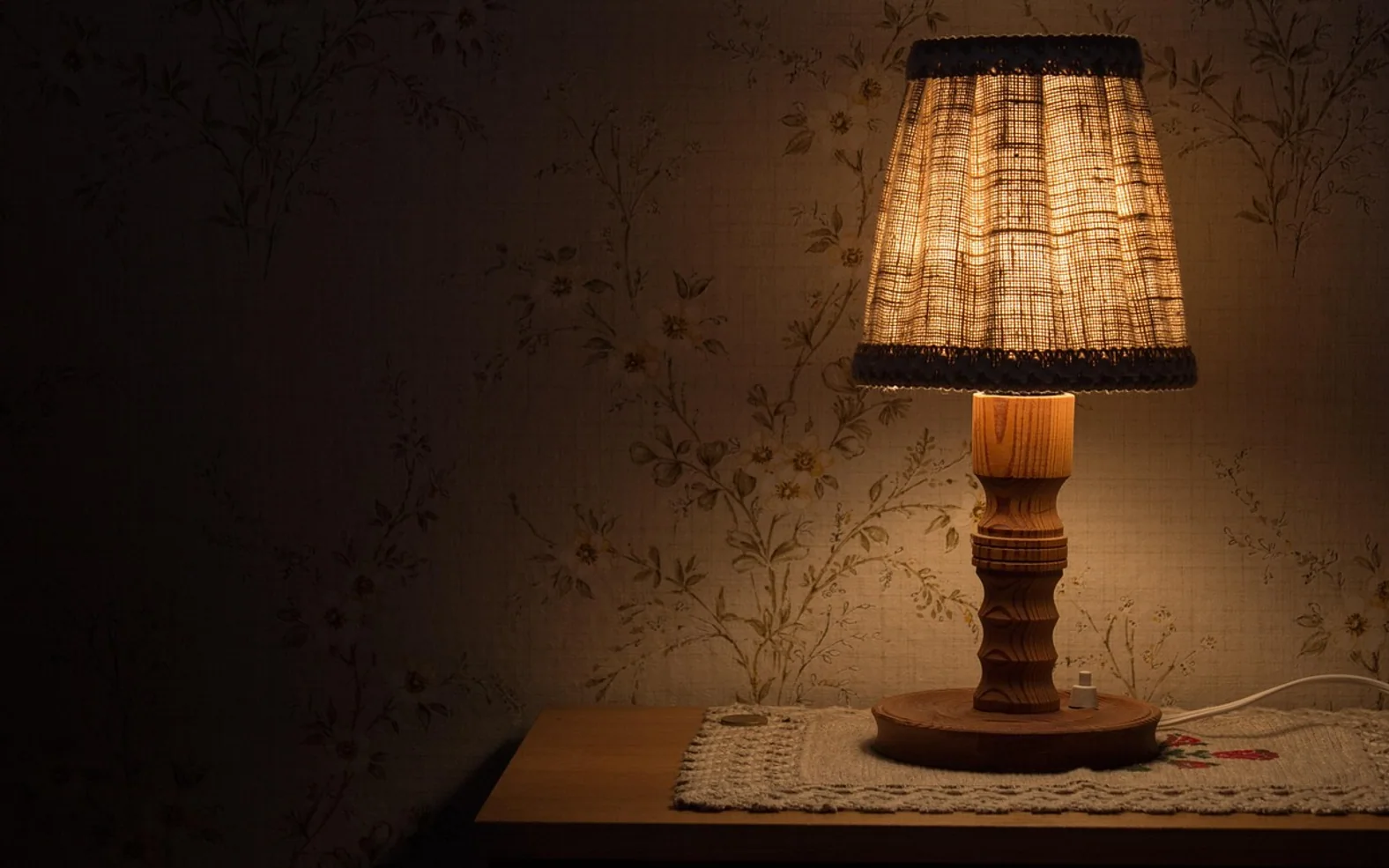
Light matters too. If you get up in the night, a dim, warm lamp disturbs the body clock less than switching on the main ceiling light; our piece on red light for sleep explains why a softer glow is the kinder choice for those trips.
Evening habits worth a second look
Some triggers for flushes and wakefulness sit in the hours before bed. Not everyone reacts to the same things, so treat this as a list to test rather than a set of rules:
- Alcohol. A glass of wine can make you feel drowsy at first but often leads to lighter, broken sleep later and may set off a flush.
- Caffeine after lunch. Tea, coffee, cola and some chocolate can linger for longer than people expect.
- Spicy or very large late meals. These can raise body heat and make reflux more likely when you lie down.
- Hot baths right before bed. A warm bath a little earlier in the evening can be relaxing; immediately before lights out it may leave you too warm.
- Screens and work email. Stimulating content keeps the mind busy just when it should be winding down.
Daytime choices that pay off at night
What happens in daylight shapes the night. A regular wake-up time, including at weekends, gives the body clock a steady anchor. Getting outside in the morning, even for a short walk, adds the bright light that helps set that clock. Regular movement during the day is linked with better sleep for many people, though very hard exercise late in the evening can leave some feeling wired.
Daytime naps are a balancing act. A short rest after a bad night can make the day bearable, but long or late naps tend to push bedtime later. If you want to tailor a routine to your own rhythm, our longer guide to customizing sleep patterns and tools covers schedules, gadgets and wind-down ideas in more detail.
When you wake at night
Lying in the dark watching the clock tends to turn a short wake-up into a long one. Turning the clock away helps. If you have been awake for what feels like a long time, getting up for a few minutes to sit somewhere dim and calm, then returning when you feel sleepy, can stop the bed from becoming a place for worrying. Slow breathing, a body scan or a quiet audio book are gentle ways to fill that time without screens.
Supplements and treatments: talk it through first
Plenty of products are marketed for menopause and sleep, from herbal blends to magnesium and adaptogens. The evidence for many of them is limited or mixed, and some ingredients interact with medicines or are unsuitable for certain conditions. If you are thinking about one, our article on when to take ashwagandha shows the kind of timing and safety questions worth raising with a pharmacist before you start anything.
Medical options exist as well. Hormone replacement therapy can reduce night sweats for many women, and there are non-hormonal prescriptions, as well as talking therapies designed specifically for insomnia. Which of these suits you depends on your health history, so it is a conversation for a doctor. Our overview of managing menopause covers that wider picture, from first appointments to support at work.
Signs it is time to see a doctor
- Poor sleep has lasted several weeks and is affecting work, driving, mood or relationships.
- A partner notices loud snoring, gasping or pauses in your breathing.
- Night sweats are drenching, frequent, or come with weight loss, fever or feeling unwell.
- Low mood or anxiety is persistent, or you have thoughts of harming yourself.
- You feel very sleepy during the day even after what seemed like a full night.
Disturbed sleep in these years is common, but it is not something you simply have to put up with. Small changes to the bedroom and the evening, a steady daily rhythm and, where needed, proper medical advice usually make the nights more manageable, one week at a time.