Lifestyle5 min
Bukchon, Insadong and Ikseon-dong: A Slow Walking Route Through Old Seoul
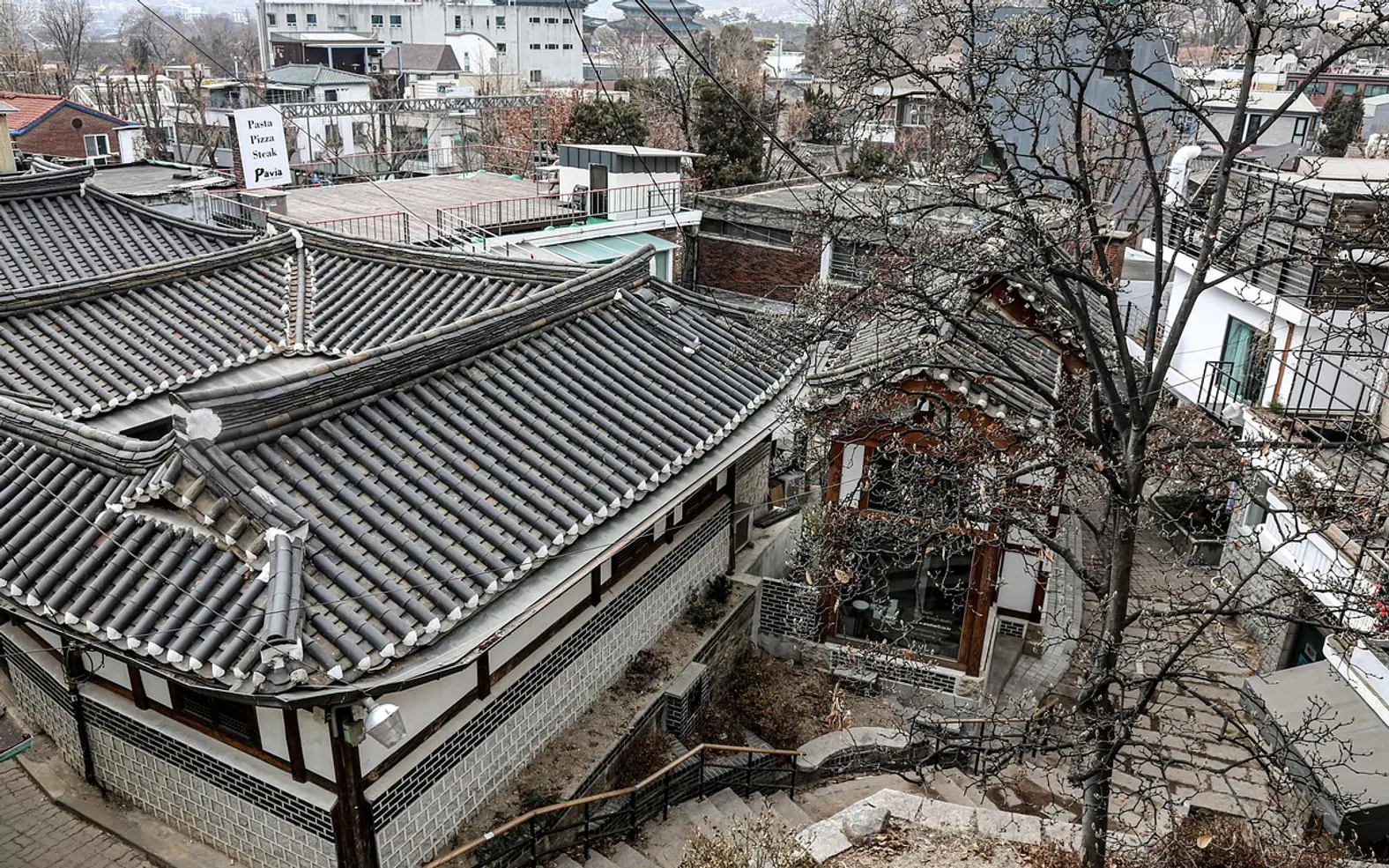
At a glanceThree neighbouring districts, one unhurried walk: hanok alleys where people still live, tea and crafts in Insadong, the narrow lanes of Ikseon-dong, then a subway ride south for the evening.
The easiest way to see Bukchon, Insadong and Ikseon-dong is on foot in a single loop: start in the hanok lanes of Bukchon in the morning, drift downhill into Insadong for tea and craft shops around midday, then cross to Ikseon-dong's tight alleys in the afternoon. The three areas sit close together in central Seoul, so the whole route works at a strolling pace with plenty of pauses, and it leaves the evening free for a change of scene south of the river.
Why walk it rather than ride between the stops
These neighbourhoods reward slowness. The interesting details are small: a carved wooden door, a courtyard glimpsed through a gap, a stack of hand-made paper in a shop window. From a bus or taxi you miss most of them. Walking also lets you set the rhythm yourself, stopping when your feet or curiosity tell you to, which suits a day that is meant to be restful rather than a sightseeing sprint.
It is gentle exercise as well. The route mixes level streets with a few sloping lanes, and those steady hours on foot add up without feeling like a workout. If you like to keep an eye on daily movement, our piece on how many steps a day you really need puts a long walking day like this into perspective.
The route at a glance
| Stretch | Character | Pace |
|---|---|---|
| Bukchon | Residential hanok alleys on a hillside, views over tiled roofs | Slow and quiet, with short climbs |
| Insadong | Main street and side lanes with tea houses, galleries and craft shops | Browsing pace, frequent stops |
| Ikseon-dong | A compact grid of narrow lanes with small cafes and shops in older houses | Meandering, easy to loop twice |
Bukchon: walking softly where people live
Bukchon's hanok alleys are not a museum. Many of the traditional houses are family homes, and the lanes outside them are where residents come and go, park bicycles and talk to neighbours. That shapes how visitors are asked to behave, and it is worth taking the request seriously.
- Keep your voice low. Sound carries between the walls of narrow lanes. Talk quietly and skip phone calls on speaker.
- Respect visiting hours. Parts of the area ask tourists to come only during set daytime hours. Check the current guidance before you go and plan Bukchon for the earlier part of your day.
- Do not enter gates or courtyards unless a building is clearly open to the public, and avoid sitting on doorsteps.
- Photograph considerately. Capture rooftops and lanes, not people's windows or residents without asking.
- Take litter with you. Bins can be scarce, so carry a small bag.
The lanes climb in places, so take the slopes at a conversational pace. Pausing at the top of a rise to look out across the curved roofs is part of the point.
Insadong: tea, paper and craft
Coming down from Bukchon, Insadong feels livelier. The main street is lined with shops selling ceramics, calligraphy brushes, hanji paper, embroidered goods and small souvenirs, while the side alleys hide traditional tea houses with low tables and quiet rooms.
This is the natural place for a long break. A pot of tea, whether green, barley or a fruit-based infusion such as citron, gives tired legs a rest and makes a calmer alternative to another coffee. Many tea houses offer seating on cushions at floor level; if kneeling or cross-legged sitting is uncomfortable for you, look for one with chairs or ask for a table.
Browsing the craft shops is a pleasant way to slow down further. Handle items gently and ask before photographing displays in small galleries.
Ikseon-dong: small lanes, short loops
A short walk east brings you to Ikseon-dong, a pocket of older houses that now hold cafes, bakeries and little boutiques. The lanes are narrow enough that two groups passing each other need to step aside, so walk in single file when it gets busy and keep bags close.
Because the area is compact, it suits an unplanned loop: wander until you reach the edge, then turn back on a parallel lane. Late afternoon is a good time to finish here with a light snack before deciding how to spend the evening.
Comfortable shoes and other practical notes
- Wear shoes you have already broken in. Cushioned soles with decent grip handle cobbled and sloping lanes better than fashion trainers or sandals.
- Choose easy-off footwear if you plan to visit a tea house where shoes are removed at the door.
- Carry water and a light layer. Hillside lanes can feel warm in the sun and cool in shade.
- Loosen up before and after. A few minutes of calf, hip and hamstring stretches helps after hours on foot; see our guide to stretching and fitting it into a busy day for simple ideas.
- Listen to your body. If you have a joint, heart or balance condition, plan shorter stretches and more rest stops, and check with your doctor before a long walking day if you are unsure.
From old lanes to an evening in Gangnam
After a day among hanok roofs, the contrast of Gangnam is part of the appeal. The subway connects central Seoul with the south side of the Han River, and the ride gives your feet a proper rest. Gangnam's evenings tend to centre on dinner, wide shopping streets and, for many groups, a session in a private singing room, known in Korea as a noraebang.
Singing rooms are rented by the hour by friends, families and colleagues, and they make an easy, low-key way to end a long day without more walking. If you want to read up on how these rooms work before going, a guide such as Karaoke of Gangnam describes karaoke visits in the district and what to expect from a private room. Where drinks are on the menu, pace yourself, keep water nearby and leave any driving to public transport or a taxi.
How long does the whole walk take?
It depends entirely on how often you stop. Treat it as a full day rather than a timed route.
Is the route suitable for older walkers or children?
Generally yes, as long as you allow for the slopes in Bukchon and take regular breaks. A light stroller can manage most streets, though some lanes are narrow and stepped.
Which order works well?
Bukchon first, while it is quieter and within visiting hours, then Insadong, then Ikseon-dong. Going downhill for most of the day is kinder on the knees, and it ends you close to transport for the evening.