The Diverse World of Lemon Trees: Discover Their Varieties and Unique Traits
At a glanceA lemon is not just a lemon. Slice a few from different trees and the differences show quickly: some rinds are thick and fragrant, some fruit is almost sweet, and one variety…
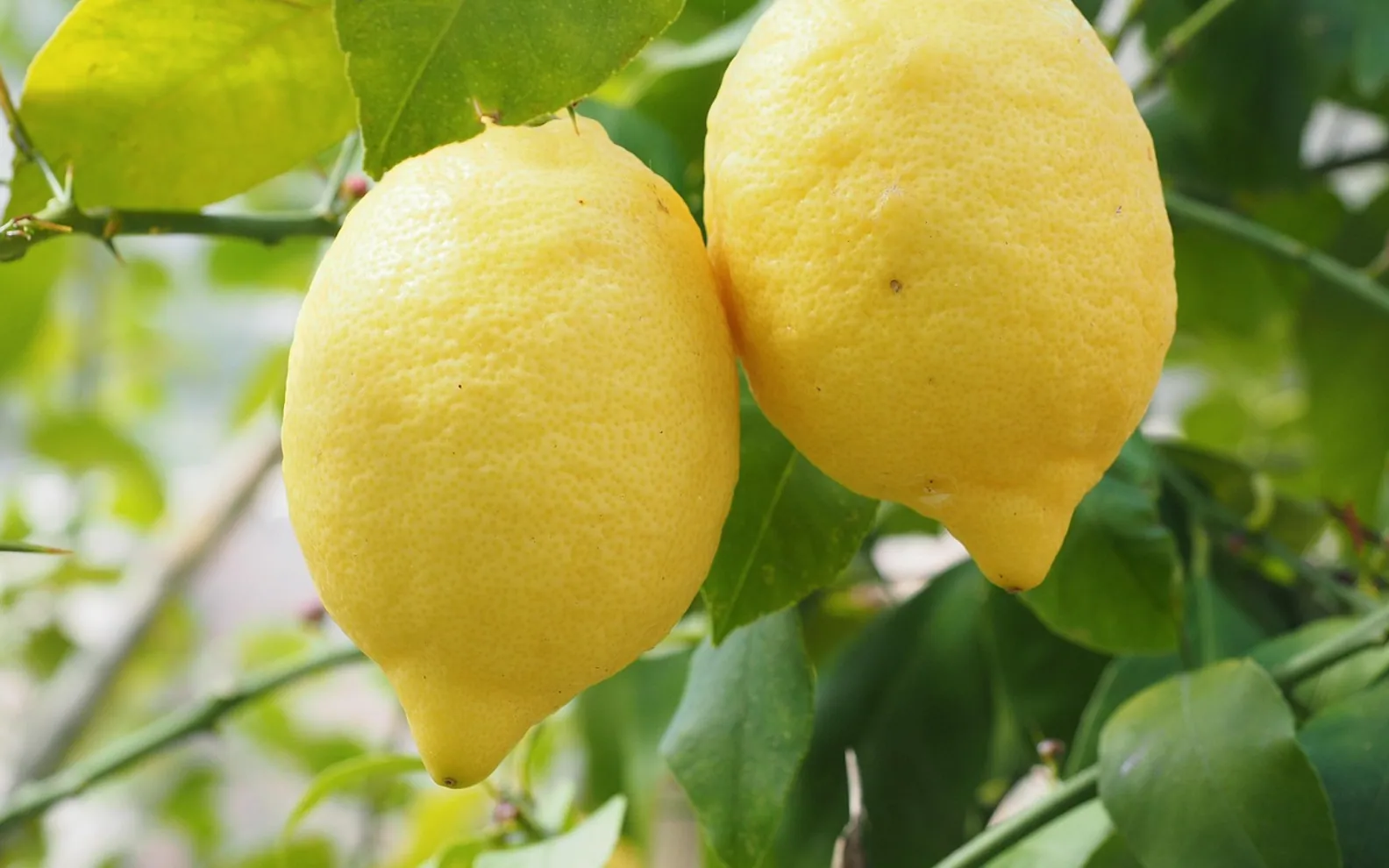
A lemon is not just a lemon. Slice a few from different trees and the differences show quickly: some rinds are thick and fragrant, some fruit is almost sweet, and one variety even hides pink flesh under a striped skin. Knowing the main types helps whether you cook with lemons, grow them in a pot on the balcony or plan a citrus corner in the garden.
The everyday classics
Eureka
This is the lemon most people picture: oval, bright yellow and properly sour. Eureka trees tend to fruit over a long season and have relatively few thorns, which makes them pleasant to look after. The juice is ideal for dressings, marinades and lemonade.
Lisbon
Lisbon lemons look and taste very similar to Eureka, and many shoppers would not tell them apart. The trees are usually more vigorous and thornier, and they are often regarded as tougher in heat and cooler spells, which is why growers in varied climates like them.
A gentler, sweeter option
Meyer
Meyer lemons are thought to be a cross between a lemon and a type of mandarin or orange, and the result is a rounder fruit with a thin, deep-yellow skin and a softer, less sharp taste. The trees stay fairly compact, so they are a popular choice for containers and conservatories. In the kitchen, Meyer lemons shine in desserts, curds and preserves where a milder acidity is welcome.
Unusual varieties with character
Ponderosa
Ponderosa is believed to be a lemon and citron hybrid, and its fruit can be remarkably large, with a thick, bumpy rind. The tree has big leaves and fragrant flowers, which gives it ornamental appeal. The fruit is juicy and useful wherever a lot of lemon is needed at once, though the thick peel makes up much of its size.
Variegated pink
Few lemon trees are as decorative. The leaves are marbled green and cream, young fruits are striped, and the flesh inside is pale pink. The flavour is tart like a standard lemon. It makes a striking container plant and a talking point in drinks and garnishes.
Femminello
This Italian group of lemons is valued for its aromatic peel and generous juice. Femminello fruit is closely associated with southern Italian cooking and with zest-based liqueurs such as limoncello, where the oils in the rind carry the flavour.
Choosing a tree to grow
- Short on space: compact varieties like Meyer suit pots and can be moved indoors in cold weather.
- Want classic sour fruit: Eureka or Lisbon are the obvious choices.
- Want something decorative: the variegated pink lemon or Ponderosa bring visual interest.
- Love zest and aroma: Femminello types reward cooks who use a lot of peel.
Specialist nurseries that sell lemon trees usually list the expected size, hardiness and fruiting habit for each variety, which makes comparison easier.
Basic care for any lemon
Most lemon trees want plenty of sun, shelter from frost and wind, and free-draining soil or a gritty potting mix. Water deeply, then let the top layer dry before watering again, as soggy roots cause more trouble than occasional dryness. A citrus feed during the growing season supports healthy leaves and fruit. Bring potted trees into a bright, cool room before frosts arrive, and keep an eye out for common pests such as scale insects. With those basics in place, even a single tree can keep a kitchen supplied with fresh lemons and fragrant blossom.