Health3 min
Understand the Use of Medical Cannabis in 2 Ways
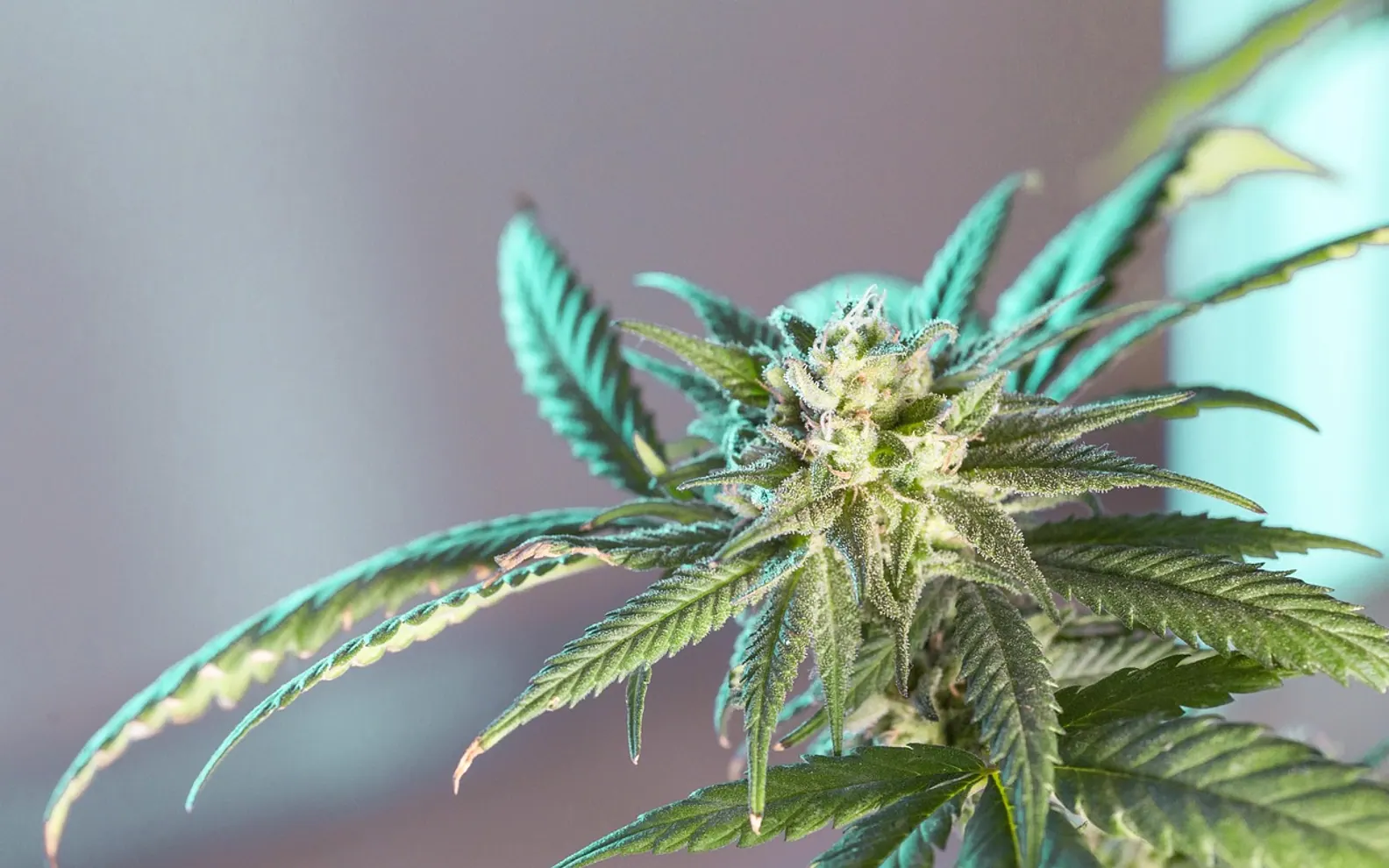
At a glanceMedical cannabis is surrounded by strong opinions and confusing terminology. Before looking at how it is taken, it helps to separate a few terms. Cannabis plants contain many compounds called cannabinoids. The…
Medical cannabis is surrounded by strong opinions and confusing terminology. Before looking at how it is taken, it helps to separate a few terms. Cannabis plants contain many compounds called cannabinoids. The two best known are THC, which is responsible for the "high", and CBD, which does not produce intoxication in the same way. Medical products vary in how much of each they contain.
The legal position differs widely from country to country, and in many places cannabis-based medicines are available only on prescription from a specialist, if at all. Anyone interested should start with a doctor or a regulated medical cannabis clinic that operates within local law, rather than with products bought informally.
Way one: eating and drinking cannabis
Edible products include baked goods, chocolates, drinks and capsules. Cannabinoids dissolve in fats and alcohol rather than in water, which is why they are typically prepared with oils or butter. Raw plant material contains mainly acidic forms of the cannabinoids, which become active through heating, so edibles are made from material that has already been processed in this way.
When swallowed, cannabinoids pass through the digestive system and the liver before reaching the bloodstream. The liver converts THC into a related compound, and this route has two practical consequences:
- The effect starts slowly. It can take a considerable time to notice anything, which leads some people to take more too soon.
- The effect lasts longer. Once it begins, it may persist for several hours.
Strength also depends heavily on how the product was made, so homemade edibles are particularly unpredictable. Regulated medical products state their content on the label, which is one reason they are preferred in a medical setting.
Way two: oils and tinctures by mouth
Cannabis oils and tinctures are liquid extracts, usually measured with a dropper. They are often held under the tongue for a short time before swallowing, because some absorption can happen through the lining of the mouth. In practice, part of the liquid is still swallowed, so the onset can be a mix of a quicker and a slower response and varies between people.
Oils make it easier to measure a consistent amount than edibles do, which is why they are common in prescribed medical products. The prescriber decides the product and amount, and changes should only be made on their advice.
What people hope it helps with
Cannabis-based medicines are being studied and, in some places, prescribed for issues such as certain types of chronic pain, nausea linked to medical treatment, muscle stiffness in some neurological conditions and some rare forms of epilepsy. The strength of evidence differs from one condition to another, and it is not suitable for everyone. Products with mainly CBD are designed to avoid intoxication, but they can still cause side effects.
Safety points worth knowing
- Possible side effects include drowsiness, dizziness, dry mouth, changes in appetite and, with THC, effects on mood and concentration.
- Cannabinoids can interact with other medicines, so a full medication list should be shared with the prescriber.
- Driving or operating machinery after taking THC is unsafe and illegal in many places.
- People with a personal or family history of psychosis, and those who are pregnant or breastfeeding, need particularly careful medical advice.
- All products should be stored securely away from children and pets.
The sensible starting point
Whether edible or oral oil, the form matters less than the framework around it: a clear diagnosis, a qualified prescriber, a legal product with known contents and regular review. That combination gives the best chance of benefit while keeping risks in view.